
LVL Thickness Tolerance: Technical Impact on Industrial Applications
In Laminated Veneer Lumber (LVL) manufacturing, thickness tolerance is a critical technical parameter that influences how the material performs across packing, industrial, and furniture applications.
At VILEMA, this metric is continuously monitored during hot-pressing and calibration stages because it directly affects fitting, dimensional stability, and overall cost efficiency for buyers.
Contents
1. What is Thickness Tolerance in LVL?
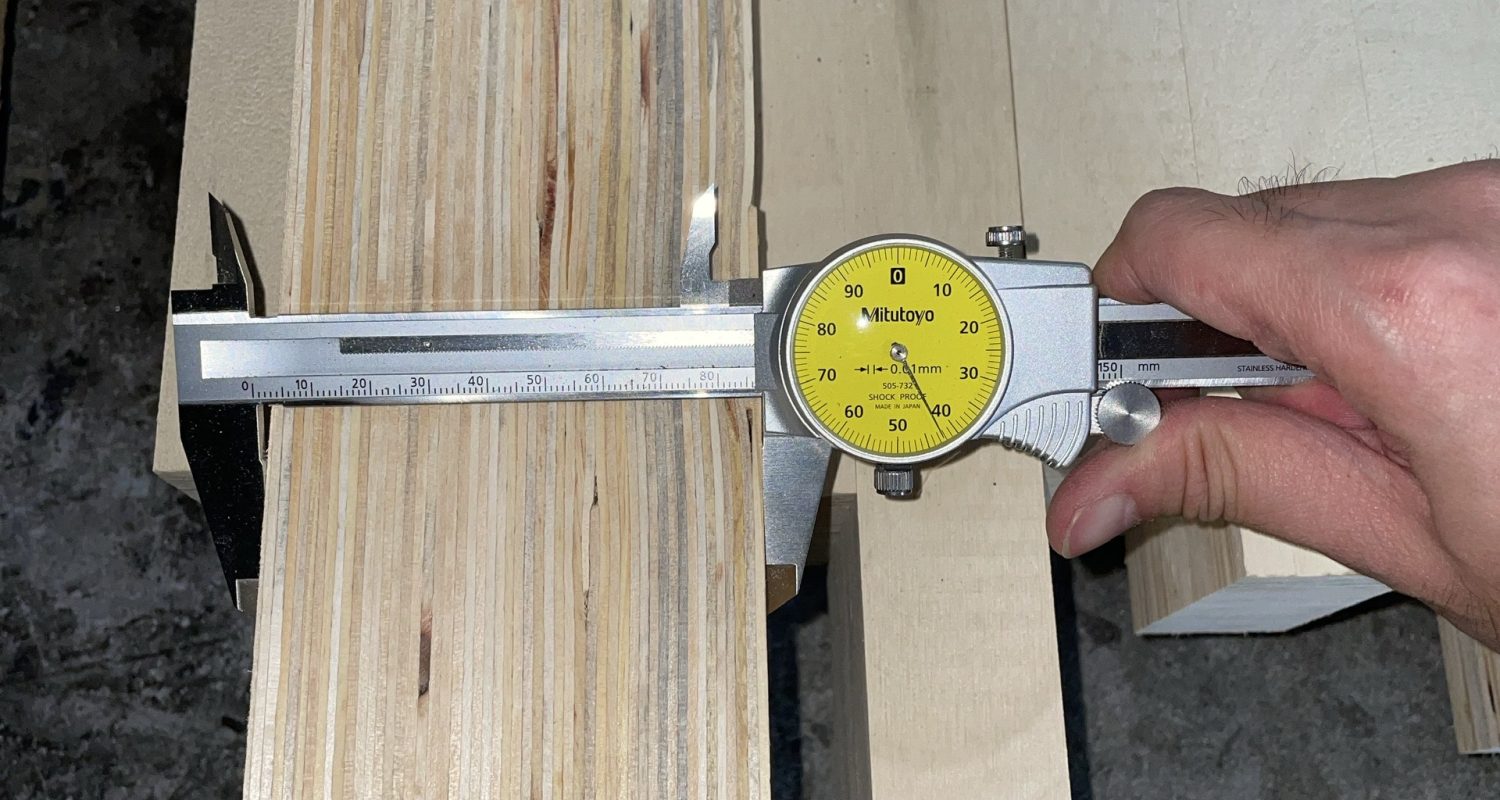
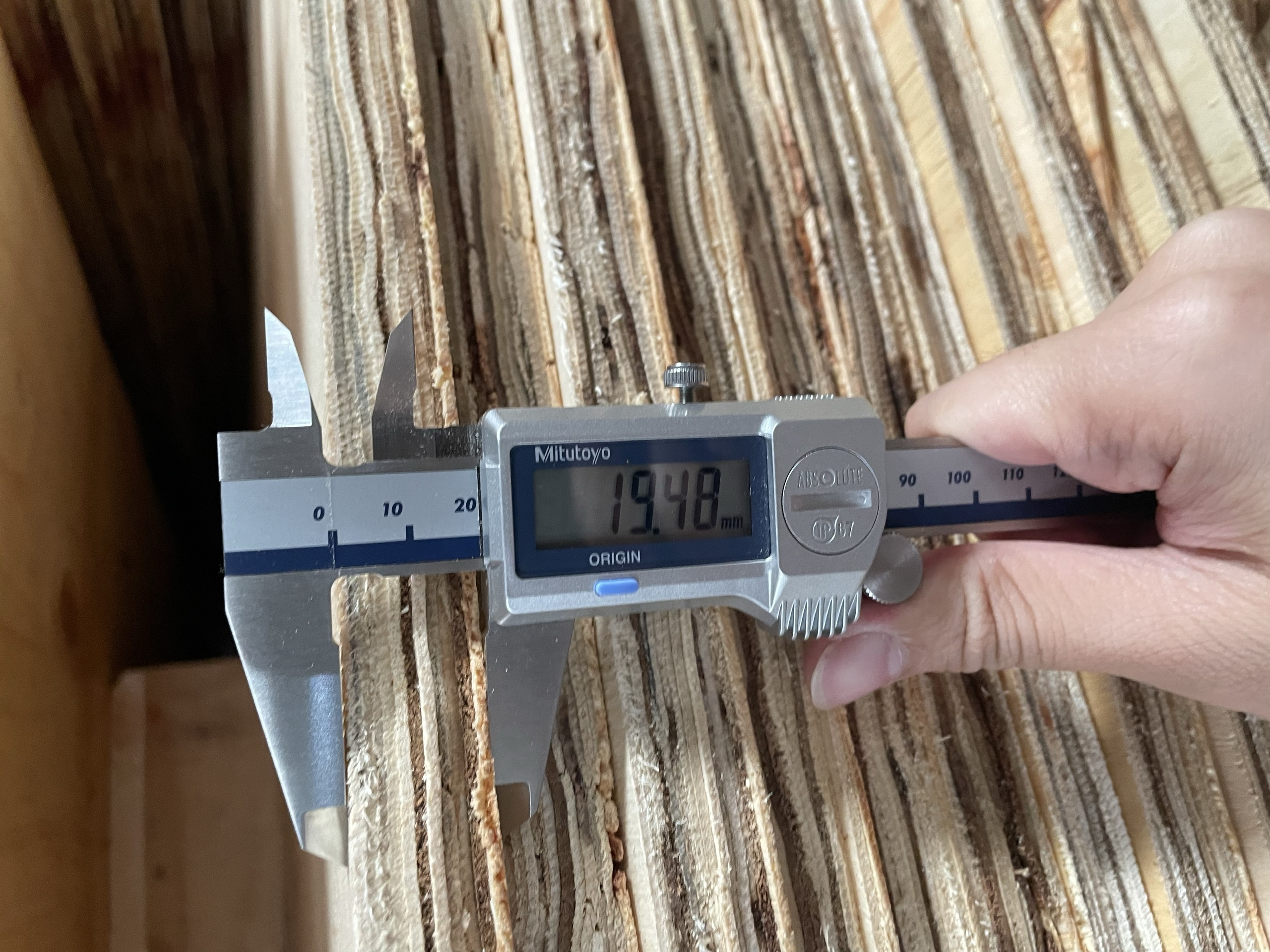
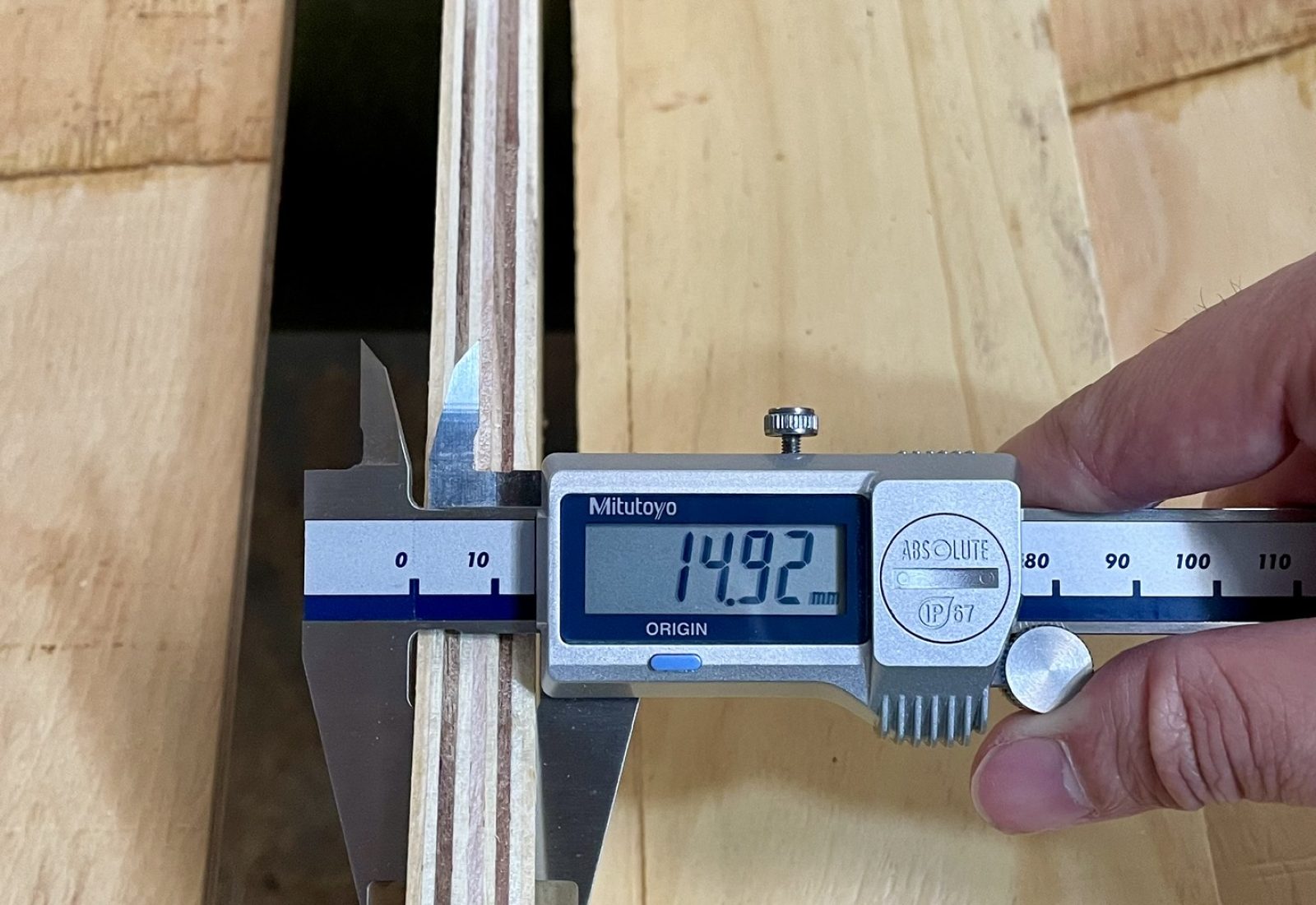
Thickness tolerance refers to the allowable variation between the nominal thickness and the actual thickness of LVL after manufacturing.
For example, a 15.0 mm LVL panel may practically range from 14.3 to 15.2 mm depending on standards and intended applications.
Key factors affecting tolerance include:
- veneer moisture content
- veneer thickness variances
- pressing temperature & time
- resin content and fiber orientation
- post-press spring-back behavior
In VILEMA’s production environment, dimensional deviations mainly originate during the thermal compression & stabilizing phases.
2. Applicable Standards for LVL Tolerance
Thickness tolerance is regulated under several standards:
- ISO 18776 – LVL Specifications
- TCVN 10575:2014 (ISO 18776, Vietnam)
- AS/NZS 4357 – Structural LVL
- EN 14279 – European LVL
Across common specifications: typical tolerances range from ±0.3 to ±1.0 mm, depending on segment and use-case.
Structural-grade LVL under AS/NZS generally exhibits tighter controls due to its relevance to load calculations and safety compliance.
3. Application-Based Impact of Thickness Tolerance
i. Packing / Export Pallet Manufacturing
For pallets and export packing:
- tolerance does not significantly affect load strength
- but directly affects:
✓ overall pallet height
✓ stacking uniformity
✓ container loading stability
Based on VILEMA LVL industrial data, pallet buyers typically accept tolerances of ±0.5 – ±1.0 mm.
ii. Industrial Applications
Industrial usage such as fixtures, jigs and machine bases require tighter tolerance to reduce machining and ensure fitment.
Recommended range: ±0.3 – ±0.6 mm
iii. Furniture / Frame / Chassis
In furniture production, tolerance affects:
- joinery gaps
- screw seating
- flatness
- chassis alignment
Furniture-grade buyers often request ±0.2 – ±0.4 mm, especially for CNC-based modular systems.
4. Tolerance vs Cost: The Real Manufacturing Trade-off
Reducing thickness tolerance requires manufacturers to:
- increase veneer input
- increase calibration time
- tighten pressing parameters
- raise veneer rejection rates
- enhance QC processes
This inevitably raises cost per m³.
Hence the well-known industry rule:
“Tighter tolerance → Higher production cost”
Many buyers mistakenly assume tighter tolerance is a free upgrade, but it is not aligned with manufacturing economics.
5. How Much Tolerance is Appropriate?
VILEMA LVL’s recommended ranges by application:
| Application | Recommended Tolerance |
|---|---|
| Packing / Pallet | ±0.5 – ±1.0 mm |
| Industrial | ±0.3 – ±0.6 mm |
| Furniture / Chassis | ±0.2 – ±0.4 mm |
| Structural | case-by-case (AS/NZS or EN) |
Buyers should match tolerance to end-use, rather than applying structural specifications to non-structural products, which inflates cost unnecessarily.
6. Procurement Recommendations for LVL Buyers
When requesting quotation or samples, buyers should specify:
✔ nominal thickness
✔ required tolerance
✔ end-use application
✔ surface treatment (sanded/non-sanded)
✔ biological treatment (ISPM 15 / anti-termite, if required)
This helps optimize:
✓ technical performance
✓ cost
✓ lead time

Conclusion
Thickness tolerance is a key technical parameter in LVL manufacturing that affects assembly, stability and operational cost. As a manufacturer, VILEMA LVL recommends that buyers determine tolerance based on the actual end-use rather than defaulting to structural-grade requirements.

© Vilema Co., Ltd | LVL Manufacturer from Vietnam
FSC® available upon request | Export-oriented production