
WHAT IS LVL? HOW IS IT MADE? AND WHAT IS LVL USED FOR?
Laminated Veneer Lumber (LVL) is a widely used engineered wood product, designed to replace traditional sawn timber with superior consistency, strength, and material efficiency. Thanks to its advanced manufacturing process, LVL has become a preferred solution in construction, packaging, and industrial applications worldwide.
Definition of LVL
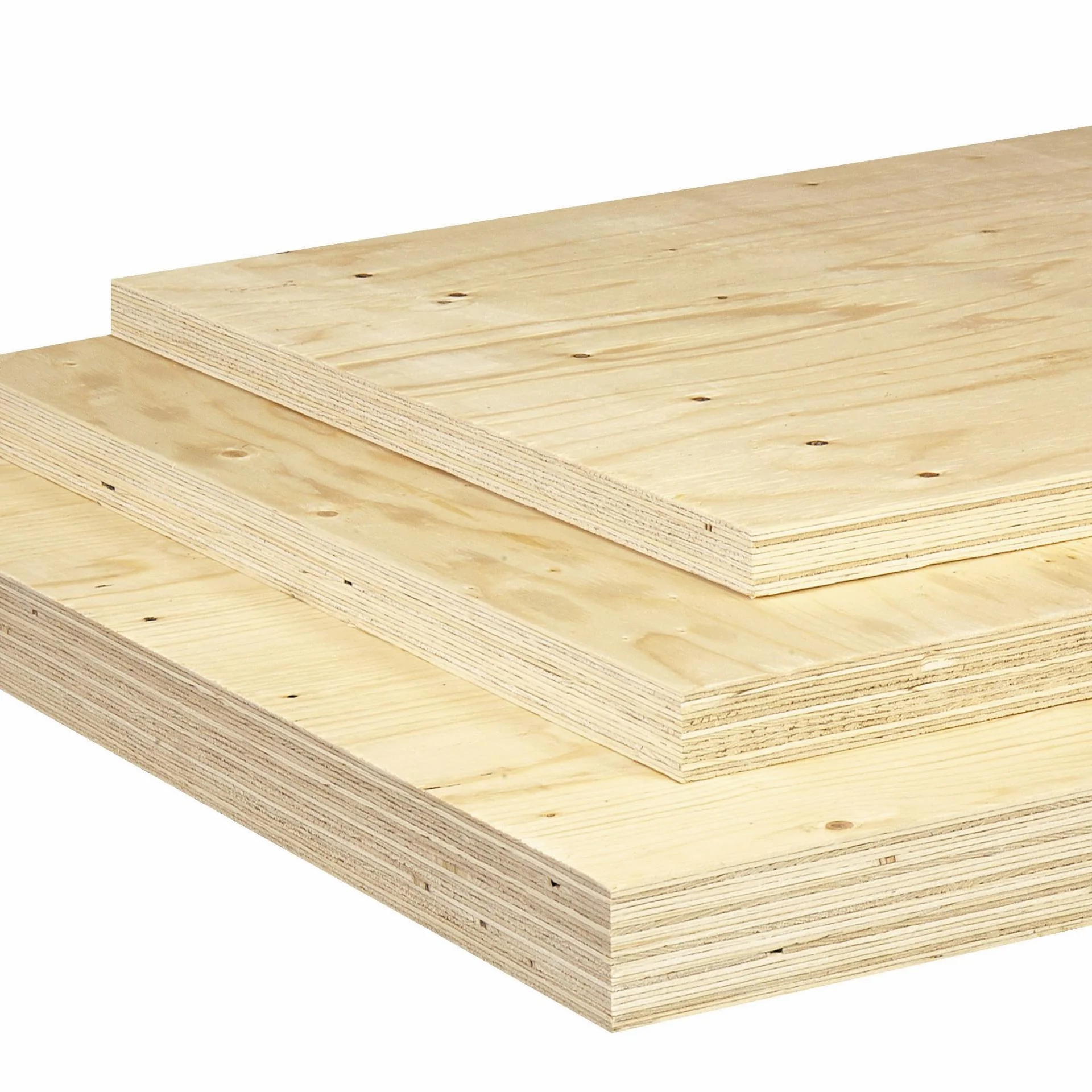
LVL (Laminated Veneer Lumber) is an engineered wood product manufactured by bonding multiple layers of thin wood veneers together under heat and high pressure using structural adhesives.
All veneers are oriented in the same grain direction, resulting in a product with high strength, dimensional stability, and predictable performance.
Compared to conventional sawn timber, LVL offers better structural consistency, optimized material usage, and flexible sizing options—making it an efficient and sustainable alternative.
Advantages of LVL
LVL provides several key advantages over traditional solid wood:
Flexible raw materials
Can be produced from various plantation species such as poplar, pine, acacia, eucalyptus, rubberwood, and other fast-growing woods.Precise dimensional control
Thickness, width, length, and moisture content can be customized. LVL length is not limited by log size due to the continuous manufacturing process.High strength-to-weight ratio
LVL delivers high structural strength while remaining lighter than conventional sawn timber, helping reduce transportation and handling costs.Cost efficiency
Optimized production and material utilization allow LVL to be more economical than high-grade solid wood.Efficient use of wood resources
Maximizes yield from logs and supports sustainable forestry practices.
Limitations of LVL
As a multi-layer engineered product, LVL quality depends heavily on manufacturing technology and process control.
Without proper production standards, defects such as warping or delamination may occur. High-quality LVL therefore requires advanced equipment, strict quality control, and skilled workmanship.
2. LVL MANUFACTURING PROCESS
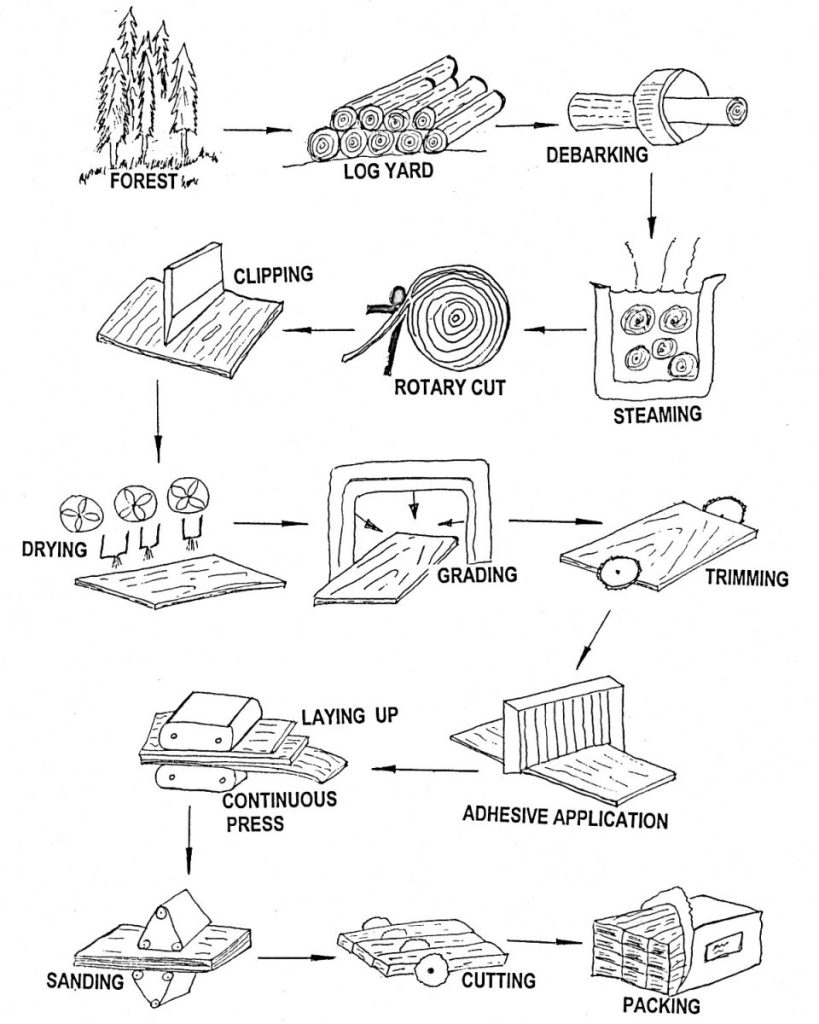
The LVL production process consists of the following key steps:
Log cutting and preparation
Peeling logs into thin veneers
Veneer drying
Veneer grading (A / B / C)
Adhesive application
Veneer lay-up (grain-aligned)
Hot pressing under controlled pressure and temperature
Surface sanding
Cutting to required dimensions
Packaging and quality inspection
This controlled process ensures uniform strength, stability, and consistent product performance.
3. APPLICATIONS OF LVL
Thanks to its strength, dimensional flexibility, and reliability, LVL is widely used across multiple industries:
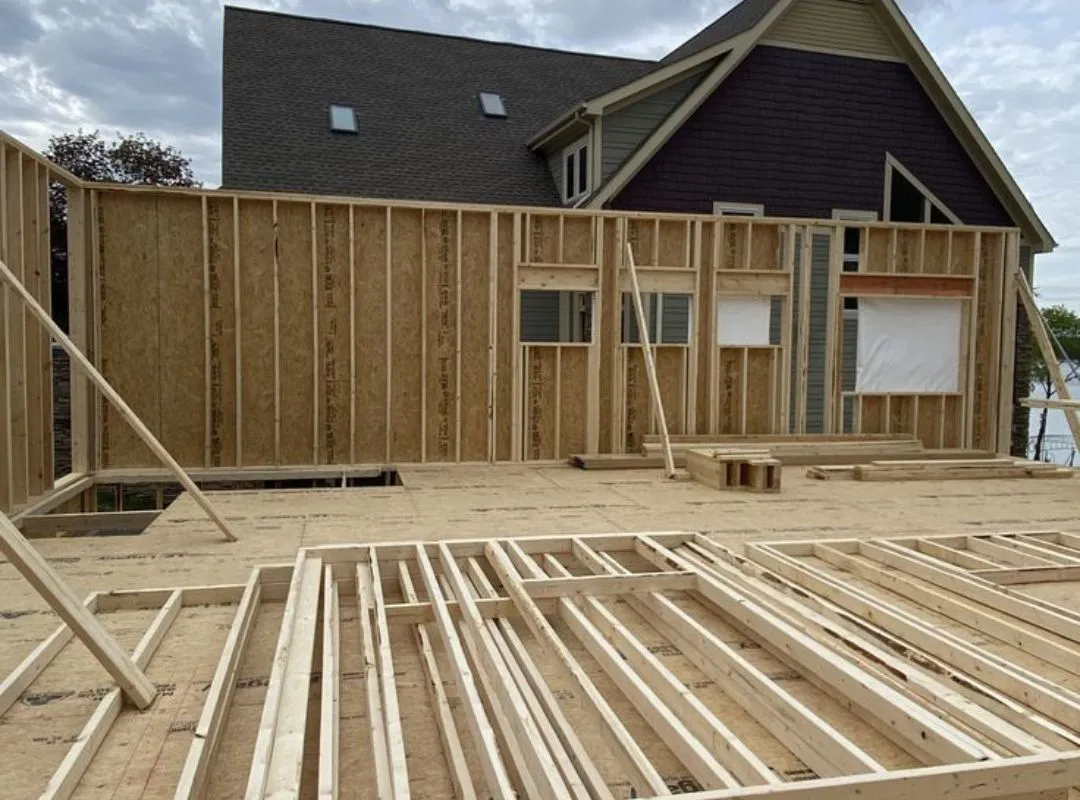
Construction
Beams and headers
Lintels
Floor systems and roof structures
Residential and commercial framing
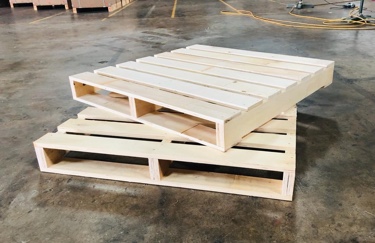
Packaging & Logistics
Pallets and skids
Crates and heavy-duty packaging components
Furniture & Interior
Sofa and furniture frames
Structural components for upholstered furniture
LVL’s ability to be produced in long lengths and precise specifications makes it an ideal replacement for traditional sawn lumber in demanding structural and industrial applications.

Vilema Perspective
At Vilema, LVL is not just a wood product—it is a material solution engineered to deliver performance, consistency, and long-term value for global partners across construction, packaging, and industrial supply chains.

© Vilema Co., Ltd | LVL Manufacturer from Vietnam
FSC® available upon request | Export-oriented production